Why Rondus exists
It began with Sander. As a paediatrician he made the roster for several specialties and training groups for years.
And the pressure on care only grows. At some point Sander asked himself the question everyone really ought to ask: is the way we plan shifts and clinics still tenable? From his second role as a capacity manager he found the answer: integral rostering.
Robert-Jan made that idea real. He translated the thinking into a technical form that brings the complex back to something simple: a rostering programme that just works.
Is the way we plan shifts and clinics still tenable?
Who we are
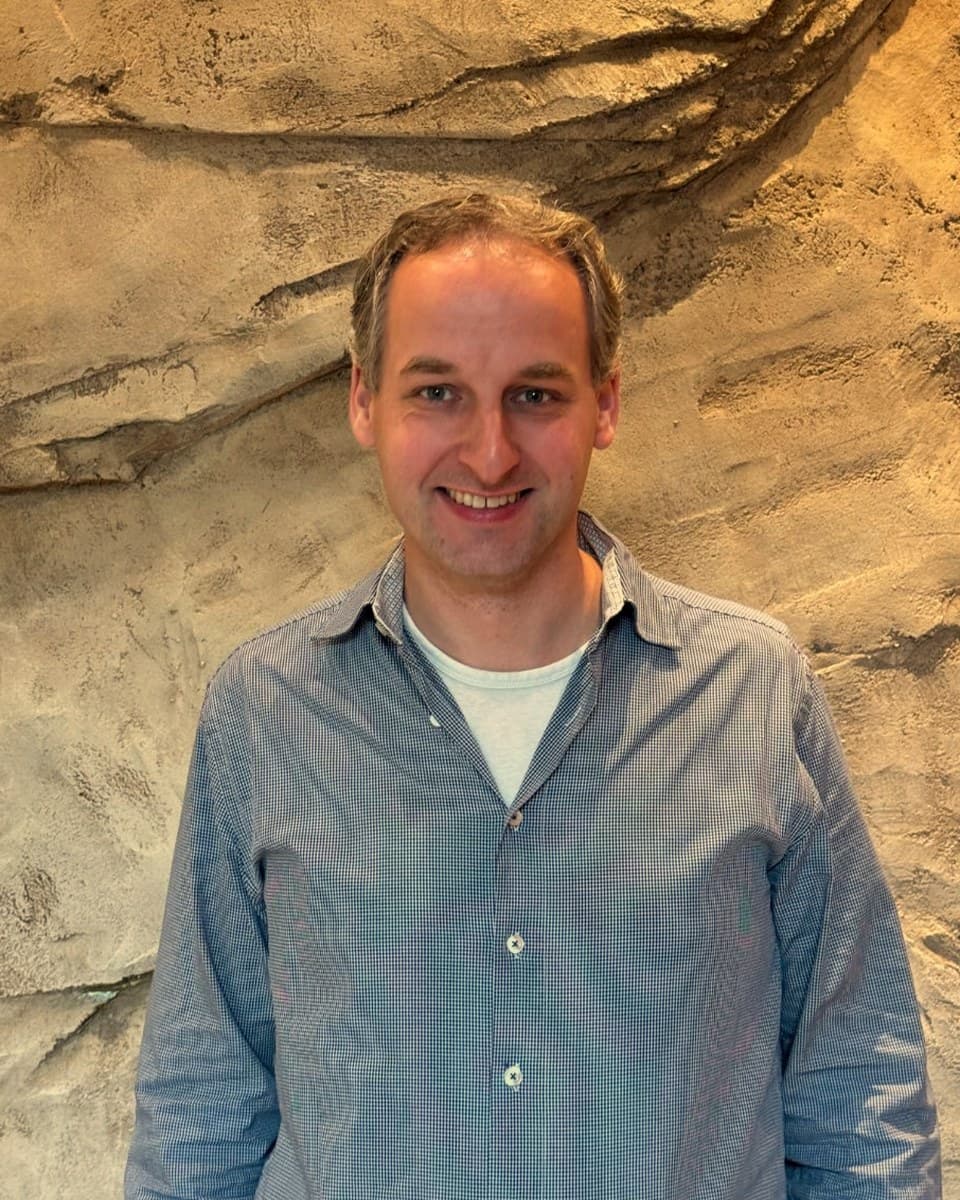
Sander Fidder
Paediatrician
Sander has been a paediatrician since 2020 and is a co-founder of Rondus. With his knowledge of rostering, capacity management and practice experience, he makes sure every scheduler has a good experience inside their own institution.

Robert-Jan de Laat
Co-founder
Robert-Jan is a co-founder and the technical mind behind Rondus. He translates knowledge and experience from practice into a programme that actually works: robust, carefully built and ready to grow with every rostering group that starts using it. He also has the conversations with rostering groups that want to work with Rondus, and makes sure what is built technically always matches what a scheduler needs in practice.
What rostering costs today
Evenings of rostering by hand
In many places the roster is still made in the evening, by hand: shifting, emailing and shifting again until it fits. And then someone asks for leave after all, or a shift falls away, and the shifting starts over. What looks like a few hours of work on paper adds up to days a quarter in practice.
The argument comes afterwards
Whether the split was fair usually only shows once the roster is made. Who did too much, who too little? One rostering group shares out shifts by headcount, another by fte, and as soon as those two run together it gets complicated fast. As long as nobody keeps track of it, feeling wins over facts, and one person's feeling soon contradicts another's.
The knowledge sits in people's heads
People are perfectly capable of making a complex roster: rules, requests, qualifications and staffing can all be made to add up at once. But it takes a lot of time, and it soon rests on the one head that knows every agreement by heart. Rondus does this automatically: your rules and decision steps are translated into the planning rules of the system, so the same complexity is solved in minutes, without that knowledge having to stay in one head.
What we are good at
Every decision the planner makes is explainable, including the decision to place nobody. If a slot stays open, each candidate comes with the reason it could not be done.
The cao and the Dutch Working Hours Act are a floor, not a setting. An own profile can raise a statutory minimum, never lower it.
What the rostering group agrees is data, not code. Phases, shift codes, staffing requirements and participation agreements are yours to set, without us.
What a rostering group runs into ends up in the product. The staffing requirement per shift code, the fixed Tuesday morning round and the explanation on every proposed shift are in there because a rostering group needed them.
For years we made the roster ourselves in the evening, by hand, in Excel, with no overview and no transparency. That is why we built Rondus. Rostering as it should be: automatic, transparent, in minutes.
Rondus and automatic rostering
Rostering in healthcare is a craft of its own, but in too many places it is still treated as a spreadsheet chore. We believe that can be different. Rondus is built by a doctor and a developer who spent years wrestling with rosters by hand, unclear splits and evenings puzzling in Excel. That experience turned into one clear starting point: a roster should adapt to the rules, not the other way round.
So Rondus ties the roster straight to your capacity agreements: the annual budget, production targets and waiting lists are taken into the planning, so demand and supply stay in balance. Every shift is checked automatically against the Dutch Working Hours Act and the cao, the collective labour agreement, and every shift shows exactly why it was that person's turn. No black box, but a roster that accounts for itself.
Training belongs to it too: multi-year training schedules for AIOS and ANIOS are taken into account, and completing a rotation automatically unlocks the right qualifications and shifts. So you can be sure nobody works a shift they have not been trained for yet.
Rondus also allows for everyday practice: telephone and in-person clinics, evening, night and weekend shifts, on-call and back-up duty, and even courses. Workplaces, from consulting room to operating theatre and across several locations, are planned as precisely as the shifts themselves. Through a personal app staff pass on their requests and leave, and see at a glance where and when they are expected.
Rondus is broadly usable: from hospitals and GP practices to physiotherapy and dental practices, nursing and care homes and mental health institutions. Wherever care staff have to be rostered, it is possible.
The result is a roster that is not only right on paper but also feels fairly shared out. That is the circle we want to close: from years of frustration to a system that makes rostering simple, transparent and automatic. Not because it can be done, but because care deserves it.
Interests
Sander is a paediatrician and a co-founder of Rondus. He has no role in his own hospital's decision to buy rostering software: someone else there decides, signs and pays. His interest in Rondus is disclosed to that person beforehand.
If you are assessing Rondus on behalf of an institution, the measures, the subprocessors and the security dossier are on security and privacy.
Questions about Rondus reach the people who make it: hallo@rondus.app
Where we are going
Our ambition is simple: to help as many care institutions as possible improve their rostering, from the smallest rostering group to the largest. Small or large, anyone who struggles with rostering should have access to a way of planning that is fair, transparent and manageable.